Causes
The ear infection is a prevalent and often recurrent health problem that can impact people of all ages. The reasons behind developing an ear infection vary from common viral infections to exposures to the environment and anatomical triggers. Knowing the causes of ear infections and effective treatment options is essential for managing the symptoms as well as preventing problems like hearing loss or persistent discomfort. To receive expert treatment and solutions for the long term, contacting the top ENT hospital in Ahmedabad will make a huge difference in the diagnosis and treatment results.
- Types of Ear Infections
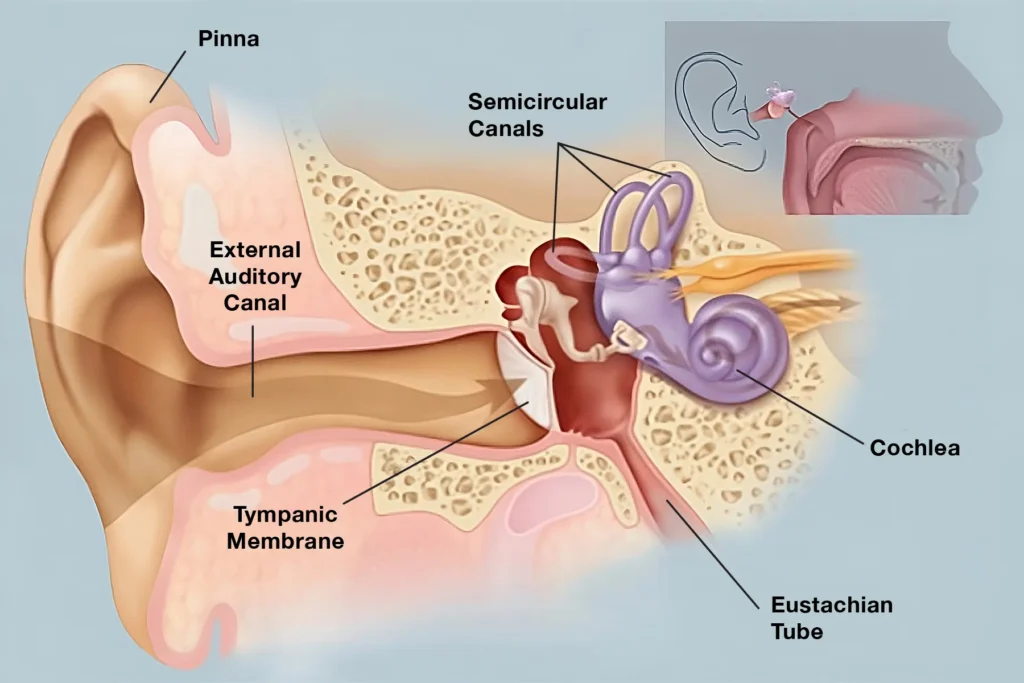
Most ear infections affect the middle ear (otitis media), but they can also occur in the ear’s outer (otitis externa or swimmer’s ear) as well as within the ear’s interior (labyrinthitis).
- Otitis Media: It is characterised by inflammation and infection within the eardrum. This is typically because of viruses or bacteria. In acute cases, it can cause sudden discomfort, fever and hearing loss. However, chronic ones can result in persistent swelling of the ear and cause long-lasting issues.
- Otitis Externa: is an infection of the canal that is located outside, typically caused by water exposure (e.g. swimming), in addition to being caused by fungi, bacteria, allergic skin conditions or other allergies.
- Labyrinthitis and Other Types: The inner ear is susceptible to bacteria or viruses that can cause dizziness or hearing difficulties.
Common Reasons for Ear Infections
Viral and Bacterial Infections
The main causes of ear infections are bacteria and viruses.
- Bacteria Streptococcus pneumoniae as well as Haemophilus influenzae, are the most common cause of middle ear infections.
- Infections with viruses: Viral upper respiratory ailments, such as the flu or common cold, can increase the risk of contracting a virus by encouraging swelling and the accumulation of fluid within the ear.
Allergies as well as Environmental Factors
Allergies can trigger inflammation that hinders the Eustachian tubes, leading to an increase in infection.
- The exposure of the environment to cigarettes and air pollution or variations in air pressure increases the risk of infection, particularly in youngsters.
- Excess water in the pool, it can lead to otitis externa. This is because it creates an environment that is humid, which allows fungi or bacteria to flourish.
Behavioural and Anatomical Factors
Children are particularly susceptible to ear infections because of their smaller, horizontal Eustachian tubes that could quickly be blocked.
- Infants who are fed bottles or who frequently use pacifiers could be susceptible to more infections because fluids travel more easily to the ear canal.
- Cleft palate sufferers or those with persistent nasal congestion at risk because of these issues. interfere with the proper drainage of fluids.
Others Triggers
- Mucus or sinus infections caused by respiratory ailments can block the Eustachian tubes, causing middle Ear problems.
- Adenoids (glands at the back of your nose) may become infected and block the tube, particularly for children.
- Incorrect cleaning or ear injuries may introduce bacteria into the ear, which can cause ear infections.
Recognizing Symptoms
Some common signs include earache or a sensation of being full, a loss of hearing and discharge. Other symptoms include fever, ear pain, or even dizziness, depending upon which region of the ear is affected. If you’re suffering from some of these symptoms, it is recommended to seek out the best ENT treatment in India,which will ensure a precise diagnosis and the most effective cure.
Treatment of Ear Infections
Strategies for treatment depend on the nature, severity and type of illness.
Medicines
- Antibiotics are only effective in the treatment of bacterial infection. It is essential to finish the entire course in order to reduce susceptibility and to prevent recurrence.
- Treatments for Pain: Acetaminophen or ibuprofen aid in reducing the symptoms of fever and pain.
- Ear Drops: The use of topical antibiotics, steroids or anaesthetics can be used to treat ear infections in the outer.
Procedural Interventions
- Surgery: For instances of chronic or severe recurrence, surgery procedures like the placement of ear tubes can be considered in order to improve in the drainage of fluids as well as reduce the chance of contracting future infections.
- Cleaning: In the case of Otitis externa, a professional cleansing of the canal should be considered and excessive syringing should be avoided.
Prevention and Supportive Measures
- Cold Compresses: Applying a gentle warm compress helps ease discomfort and decrease inflammation.
- Healthy ear hygiene: keeping your ears clean, staying clear of foreign objects, and using gentle cleansing are essential to prevent infections.
- Rest and Recovery: Regular rest and fluid intake support immunity.
- Immunisation: Immunizations against pneumococcus as well as Haemophilus influenzae can reduce the risk of bacterial infections in the ear.
- Management of Allergies: Controlling allergy symptoms decreases inflammation and increases the risk of Eustachian tube obstruction.
- Reduced exposure to smoking: reducing the exposure to smoke from cigarettes and other pollutants can be particularly beneficial in the care of ear health for children.
How to Visit the Doctor
Medical attention should be sought out immediately in cases of severe pain, chronic symptoms, fever or discharge from the ear canal. Recurrent or chronic infections could necessitate specialist treatment to prevent problems, including hearing loss and facial paralysis. If this is the case, seeking the best ENT doctor will provide a comprehensive evaluation as well as a customised treatment plan.
Complications
If not treated, persistent or serious ear infections could cause permanent loss of hearing and a burst eardrum. They can also cause meningitis, mastoid bone infections as well as facial paralysis. Children are particularly at risk of developing a language delay due to inadvertent hearing issues.
Conclusion
The causes of ear infections are many, which include viruses, bacteria, allergic reactions, exposure to environmental factors, and even anatomical causes. Treatment options are based on the extent and source, as well as focusing on the use of antibiotics to treat the treatment of bacterial infections, as well as pain management and, in certain instances, the use of a procedure. The early detection of symptoms, the correct treatments, and preventive measures are essential in reducing symptoms and eliminating serious problems.
Contact Us
Hospital Name: Evara Hospital
Location: Plot No. 881, Vishwakarma Complex, Near Akshardham Temple, Sector 21, Gandhinagar, Gujarat 382021
Website: https://evarahospital.com/
Google Map: https://maps.app.goo.gl/XAD8cWPTDj726bDSA