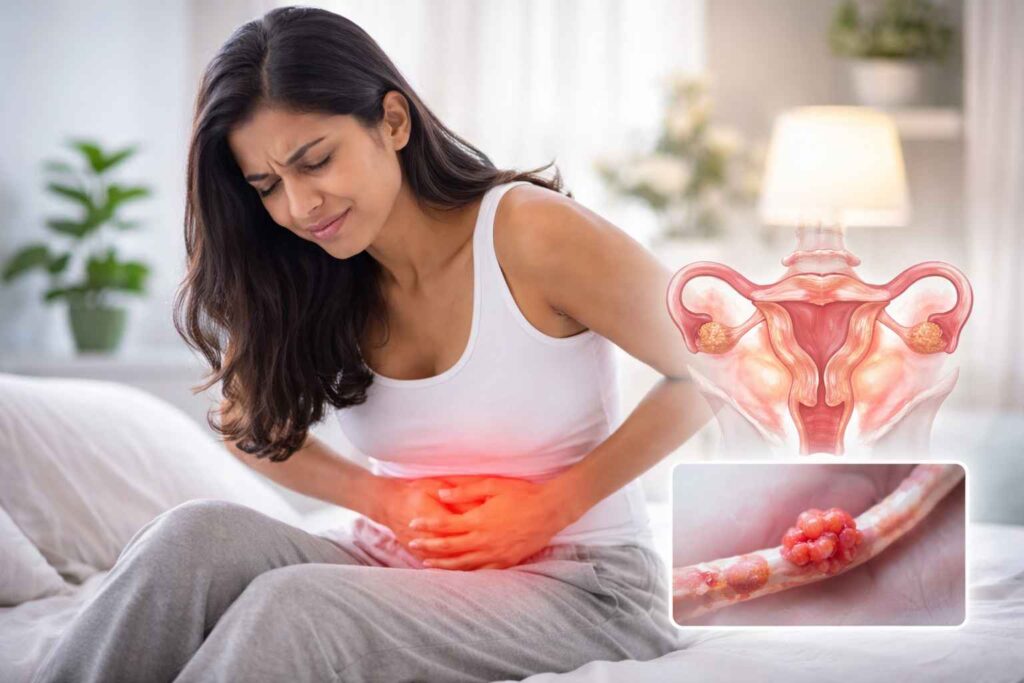
What is Endometriosis
Endometriosis is a persistent condition that occurs when tissue that resembles the lining of the uterus develops outside the uterus; typically, it affects the ovaries, fallopian tubes, as well as the pelvic tissue. It causes symptoms such as painful periods, pelvic pain and discomfort during intercourse, excessive bleeding, bloating, and difficulty getting pregnant. The type of symptoms may vary from one person to the next, and an appropriate treatment is crucial to determine the cause and manage it.
Endometriosis Statistics
Endometriosis is a problem that affects approximately 10% of women who are of reproductive age around the world, which is approximately 19millions women. However, the statistics reported vary widely based on source and the study population. Some estimates suggest that around 1% of women who menstruate might be suffering from endometriosis; however, clinical research suggests that it could be up to 21% in some groups. These variations highlight the challenges in identifying and studying endometriosis. They also highlight the need for more awareness, earlier diagnosis and continuing study to be aware of and manage the condition.
Endometriosis: Symptoms, Causes & Treatment
Symptoms of Endometriosis
- Pelvic pain: Pain in the lower abdomen or pelvis in period’s days.
- Painful periods: Severe menstrual cramps that affect daily activates.
- Heavy or irregular bleeding: Heavy periods & bleeding between periods.
- Pain during intercourse: Discomfort or pain during intercourse or after sexual activity.
- Pain during bowel movements or urination: Particularly during menstruation.
- Bloating and fatigue: Experience abdominal bloating, digestive discomfort.
- Difficulty getting pregnant: Endometriosis may sometimes affect fertility and difficult to Conceive.
Causes of Endometriosis
The precise reason for endometriosis isn’t completely known. The possible causes include menstrual cycles that are retrograde and genetic factors hormone influences, immune system-related factors, as well as the spread or transformation of cells that are not uterine. Since the severity and symptoms of endometriosis may differ, consulting of an Endometriosis Specialist can assist in an accurate diagnosis and assessment.
Treatment for Endometriosis
Treatment is contingent upon the intensity of the symptoms as well as the location of lesions on the endometrial and age, fertility goals and general health. There are a variety of options, including pain-relieving medication or hormonal treatments, as well as surgical procedures such as laparoscopic elimination of lesions caused by endometriosis when it is appropriate. The best Endometriosis Specialist or Doctor for Endometriosis can assist in determining the best treatment plan that is based on the particular requirements.
Endometriosis, Pregnancy, and Infertility: Key Statistics
Endometriosis can impact fertility, making the process of becoming pregnant more difficult for some women. The effect can vary based how severe the condition, the age of the patient, the ovarian reserve and other fertility-related disorders. Alongside the physical difficulties the difficulties of conception can be stressful for couples and individuals who are planning to start to have a family.
Infertility Studies suggest that about 50%of women with endometriosis could suffer from infertility which highlights the possibility of the condition’s impact in the reproductive system.
Natural conception Couples with mild or moderate endometriosis could have a less chance of conception within a specific menstrual cycle than couples who do not suffer from the disease.
IVF and fertility treatment: Assisted reproductive treatments such as in vitro fertilization (IVF) can provide an option for people experiencing endometriosis-related fertility difficulties. Individual results depend on aspects like age and reserve of ovarian tissue in addition to the severity of disease, as well as the previous treatment.
Pregnancy results: Endometriosis has been linked with the increased risk of some complications of pregnancy, including preterm birth and bleeding related to pregnancy.
Bleeding postpartum: There is evidence that suggests postpartum bleeding is more frequent among women with endometriosis than those who do not have the condition.
These figures show why a proper evaluation and individualized care is essential for women with endometriosis who plan to become pregnant or have fertility issues.
Endometriosis Symptoms, Quality of Life & Mental Health: Key Statistics
Endometriosis can affect much more than menstrual health. Symptoms such as pelvic pain, painful periods, gastrointestinal problems, and urinary discomfort can interfere with daily activities, work, relationships, sleep, and emotional well-being. The following statistics highlight the broader impact of the condition:
Endometriosis Symptoms: Key Numbers
- 50% to 80 % of women suffering from endometriosis complain of pelvic pain.
- 20% to 25% of women suffer from menstrual problems that include extreme pain in the menstrual cycle or irregular menstrual cycles.
- Up to 90 % could experience symptoms of gastrointestinal distress such as constipation, bloating or nausea.
- Up to 53 % of patients who have deep infiltrating endometriosis could have urinary symptoms.
- 55% of participants in one study had a chronic health issue.
- More than 70% of women suffering from endometriosis have an unresolved or unresolved pain.
Impact on Daily Life & Mental Health
- 10.8 hours per week: Average time lost from work or school or spent being less productive because of endometriosis-related pain.
- 64% report feeling judged at work because of their symptoms.
- 60% report experiencing anxiety and/or depression.
- 70% report higher-than-average stress levels.
- 60–70% report sexual dysfunction or distress related to pain.
- 70.8% report difficulty sleeping because of endometriosis.
- 3.5× higher healthcare costs have been reported among people with endometriosis.
- Nearly $16,000 per year in lost income has been estimated due to missed work and reduced productivity.
These figures demonstrate that endometriosis can have a significant physical, emotional, social, and financial impact. Early recognition of symptoms and appropriate medical care can help individuals manage the condition and improve their quality of life.
Choose the right Endometriosis Specialist in India
When searching for a top endometriosis specialist in India, patients should take into consideration the experience of the doctor in diagnosing and treating endometriosis, as well as surgical expertise and treatment for patients. Finding the best endometriosis specialist in India, the top endometriosis specialist in India, and an endometriosis specialist in India, and the most effective treatment for endometriosis in India is according to qualifications, expertise, and individual medical needs.