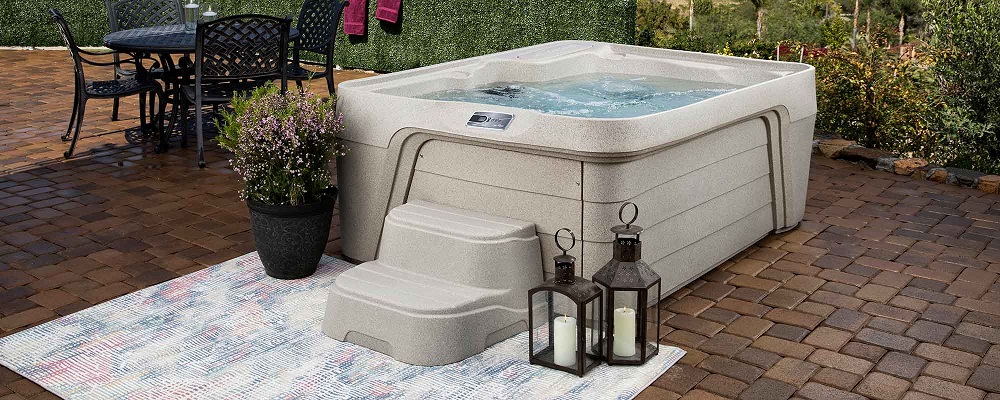
When the days get shorter and the temperatures drop, many people find their moods following suit. The winter months can bring coziness and celebration—but they can also trigger stress, restless nights, and even bouts of seasonal affective disorder (SAD). If you’ve ever found yourself feeling sluggish, tense, or blue during this time of year, your remedy might be bubbling just outside your back door: the hot tub.
Soaking in warm, swirling water isn’t just about relaxation; it’s a powerful way to improve your mental and physical health during the winter. Regular hot tub use can ease anxiety, restore restful sleep, and boost emotional well-being when you need it most.
The Science Behind Winter Blues
Winter naturally disrupts your body’s rhythm. Shorter daylight hours lead to reduced exposure to natural sunlight, which can lower serotonin—the neurotransmitter responsible for stabilizing mood—and increase melatonin, which makes you feel sleepy and unmotivated. This biological shift contributes to a kind of emotional and physical fog known as seasonal affective disorder.
What makes SAD especially tricky is the combination of physiological and psychological factors. Reduced activity, less outdoor time, and colder temperatures all play a part. To counter these challenges, finding consistent, accessible ways to restore energy and mood is key—and that’s where hydrotherapy shines.
Warm Water as a Winter Stress Reliever
When you slip into a hot tub, your body immediately begins to respond in measurable, soothing ways. The warm water dilates blood vessels, increases circulation, and relaxes tense muscles. That physical relaxation signals your nervous system to shift gears—from the fight-or-flight mode of daily stress to the calm, restorative parasympathetic state.
In simple terms: your heart rate slows, your breathing deepens, and your body releases endorphins—the feel-good hormones that act as your natural stress relievers. Just 15–20 minutes a few evenings a week can significantly reduce tension and create a sense of peace that carries through the night.
Regular soaking can help you manage the chronic stress that often builds up in winter—whether from work deadlines, family responsibilities, or simply enduring those long, dark evenings.
How Hot Tubs Improve Sleep
Poor sleep quality is one of winter’s most common complaints. The combination of cold temperatures, disrupted routines, and less sunlight can throw your sleep schedule off balance. Here’s where hot tubs can make a significant difference.
The gentle elevation and subsequent drop in your body temperature after a soak signal to your brain that it’s time to rest. This natural temperature cue is part of your circadian rhythm, the same system that controls your sleep-wake cycle. Immersing yourself in warm water before bed helps your body transition smoothly into deeper, more restful stages of sleep.
Studies have shown that hydrotherapy promotes quicker sleep onset, fewer nighttime awakenings, and improved overall restfulness. If you find yourself tossing and turning or waking up groggy, incorporating a short soak into your evening routine might be the easiest sleep hack you’ve ever tried.
Easing Muscle and Joint Discomfort
For many people, winter isn’t just mentally exhausting—it’s physically uncomfortable. Cold air can make muscles feel tighter and exacerbate joint pain, especially for those with arthritis or old injuries. The buoyancy and heat of a hot tub help reduce joint pressure while increasing flexibility and mobility.
This soothing environment allows muscles to recover more efficiently after physical activity, whether that’s shoveling snow, working out, or simply managing day-to-day aches. The consistent warmth also promotes better blood flow, helping to remove lactic acid buildup and reduce stiffness over time.
Combating SAD with Daily Relaxation Rituals
While sunlight and outdoor exercise remain important tools for beating seasonal depression, consistent relaxation practices can be just as crucial. A hot tub can serve as a private, daily ritual that rebalances both body and mind.
To make the most of it:
- Schedule short, regular sessions. Even 15 minutes a day can make a difference in mood and sleep.
- Add gentle aromatherapy. Scents like lavender, chamomile, and eucalyptus enhance relaxation and support deeper breathing.
- Set the right atmosphere. Use soft lighting, music, or quiet reflection to transform your soak into a mindful moment.
- Invite connection. Sharing the space with a partner or loved one can increase oxytocin levels and strengthen emotional bonds—an antidote to winter loneliness.
This combination of warmth, sensory calm, and intentional time for yourself helps counteract many of the environmental and emotional triggers behind SAD.
Bringing Wellness Home
Hot tubs aren’t only for luxury spas or resort destinations—they’re increasingly popular home features that blend wellness with enjoyment. From compact models perfect for small patios to energy-efficient systems designed for cold climates, they make it easier than ever to bring hydrotherapy into your daily life.
Whether you live in a bustling city or a mountain town, adding one can transform your home into a sanctuary for relaxation and restoration. Many families exploring hot tubs in Idaho, for example, appreciate having a reliable way to unwind and restore balance through even the coldest months.
Winter doesn’t have to feel heavy, restless, or draining. With intentional self-care and a few simple habits, you can turn this season into a time of restoration rather than survival. So next time the chill sets in, skip the endless scrolling or late-night TV and head to your backyard spa.
A few quiet minutes of soaking might be the therapy your body—and mind—have been waiting for.