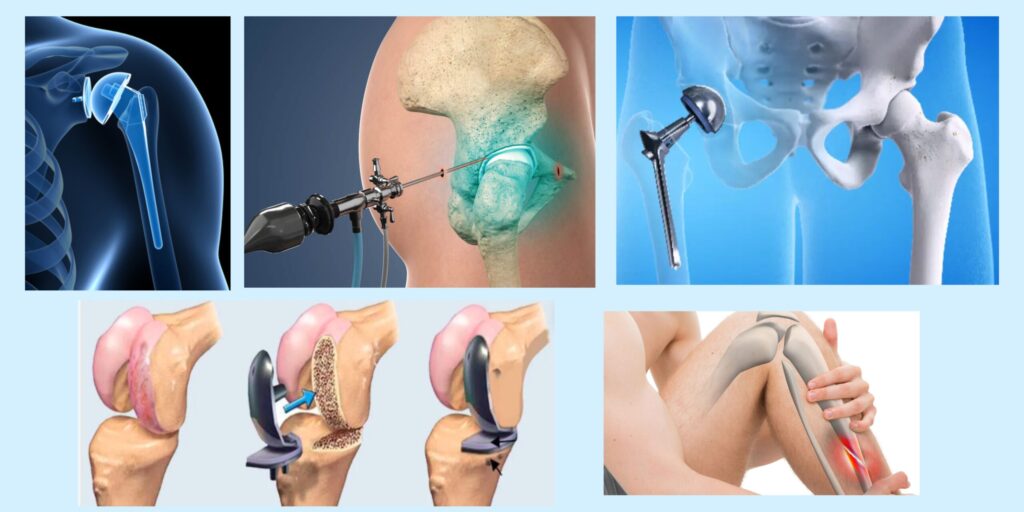
Bone, joint, and muscle problems can significantly affect your daily life. Whether you’re dealing with persistent knee pain, a sports injury, shoulder stiffness, or arthritis, consulting an experienced Orthopedic Doctor in Faridabad at the right time can help prevent complications and restore your mobility.
However, many patients are unsure about when they should visit an orthopedic specialist, what to expect during the consultation, or how to prepare for their appointment. This guide answers all these questions so you can make an informed decision about your orthopedic care.
What Does an Orthopedic Doctor Treat?
An orthopedic doctor specializes in diagnosing, treating, preventing, and rehabilitating conditions affecting the musculoskeletal system. This includes:
- Bones
- Joints
- Muscles
- Ligaments
- Tendons
- Cartilage
- Spine
An orthopedic specialist can recommend both surgical and non-surgical treatment options depending on your condition.
Signs You Should Visit an Orthopedic Doctor in Faridabad
Many people ignore orthopedic symptoms until they become severe. You should consult an orthopedic specialist if you experience:
- Joint pain lasting more than a few weeks
- Difficulty walking or climbing stairs
- Swelling around joints
- Limited range of motion
- Persistent back or neck pain
- Sports injuries
- Shoulder pain or stiffness
- Hip pain
- Knee instability
- Fractures or bone injuries
- Ligament tears such as ACL or PCL injuries
- Arthritis symptoms
Early diagnosis often leads to quicker recovery and may help avoid surgery.
Common Orthopedic Conditions
An experienced Orthopedic Doctor in Faridabad commonly treats:
Knee Problems
- Osteoarthritis
- ACL tears
- Meniscus injuries
- Knee pain
- Knee replacement cases
Shoulder Conditions
- Frozen shoulder
- Rotator cuff injuries
- Shoulder instability
- Tendinitis
Hip Disorders
- Hip arthritis
- Hip replacement
- Hip fractures
Sports Injuries
- Ligament injuries
- Muscle tears
- Tendon injuries
- Cartilage damage
Bone and Joint Disorders
- Fractures
- Osteoporosis
- Joint infections
- Deformities
How to Prepare Before Your Appointment
Being prepared helps your doctor understand your condition more accurately.
Bring Your Medical Records
Carry:
- Previous X-rays
- MRI or CT scan reports
- Blood test reports
- Previous prescriptions
- Details of earlier surgeries
Write Down Your Symptoms
Note:
- When the pain started
- Pain intensity
- Activities that worsen the pain
- Activities that provide relief
List Your Medications
Include:
- Prescription medicines
- Painkillers
- Vitamins
- Supplements
What Happens During Your First Orthopedic Consultation?
Your first visit usually includes:
Medical History
The doctor will ask about:
- Your symptoms
- Previous injuries
- Existing medical conditions
- Family history
- Lifestyle
Physical Examination
This may include checking:
- Joint movement
- Muscle strength
- Swelling
- Tenderness
- Walking pattern
- Flexibility
Diagnostic Tests
If needed, your orthopedic specialist may recommend:
- X-rays
- MRI scans
- CT scans
- Blood investigations
- Ultrasound
These tests help identify the exact cause of your pain.
Questions You Should Ask Your Orthopedic Doctor
Before leaving the clinic, consider asking:
- What is causing my pain?
- Do I need surgery?
- Are there non-surgical treatment options?
- How long will recovery take?
- Can physiotherapy help?
- What activities should I avoid?
- When can I return to work or sports?
Understanding your treatment plan helps you recover with confidence.
Treatment Options Available
Modern orthopedic care offers various treatment options based on the severity of the condition.
Non-Surgical Treatments
- Medication
- Physiotherapy
- Lifestyle modifications
- Joint injections
- Bracing
- Activity modification
Surgical Treatments
When conservative treatment isn’t effective, surgery may be recommended, including:
- Arthroscopic (keyhole) surgery
- ACL reconstruction
- Knee replacement
- Hip replacement
- Shoulder surgery
- Fracture fixation
Advances in orthopedic surgery have made many procedures minimally invasive, allowing faster recovery and reduced hospital stays.
Why Early Treatment Matters
Ignoring orthopedic problems can lead to:
- Permanent joint damage
- Reduced mobility
- Chronic pain
- Muscle weakness
- Difficulty performing daily activities
Seeking treatment early improves outcomes and often reduces the need for complex surgical procedures.
Choosing the Best Orthopedic Doctor in Faridabad
Selecting the right specialist is one of the most important decisions for your treatment. Consider the following:
- Experience in treating your specific condition
- Specialized training
- Advanced surgical expertise
- Patient-focused approach
- Modern diagnostic facilities
- Positive patient feedback
- Comprehensive rehabilitation support
An experienced orthopedic surgeon can provide personalized treatment plans tailored to your lifestyle and medical needs.
Why Choose Dr. Sunil Choudhary?
If you’re searching for the Best Orthopedic Doctor in Faridabad, Dr. Sunil Choudhary is a trusted name in advanced orthopedic care. A UK-trained knee, hip, and shoulder specialist, he has extensive expertise in joint replacement surgery, arthroscopic (keyhole) procedures, ligament reconstruction, sports injury management, and shoulder surgeries. His practice emphasizes evidence-based treatment, patient safety, and personalized care, with a focus on helping patients regain mobility and improve their quality of life.
Whether you’re dealing with chronic joint pain, arthritis, sports injuries, or complex orthopedic conditions, Dr. Sunil Choudhary provides comprehensive evaluation and treatment using modern techniques designed for optimal recovery.
Tips for Maintaining Healthy Bones and Joints
Preventing orthopedic problems is just as important as treating them. You can support your bone and joint health by:
- Exercising regularly
- Maintaining a healthy weight
- Eating a calcium-rich diet
- Getting enough Vitamin D
- Practicing good posture
- Avoiding smoking
- Wearing appropriate footwear
- Preventing falls
- Stretching before physical activity
Conclusion
Orthopedic problems should never be ignored. Early diagnosis and timely treatment can significantly improve your quality of life while preventing long-term complications. If you’re experiencing persistent bone, joint, muscle, or ligament pain, consult an experienced Orthopedic Doctor in Faridabad as soon as possible.
For expert diagnosis, advanced treatment options, and compassionate patient care, Dr. Sunil Choudhary is committed to helping patients regain mobility, reduce pain, and return to an active, healthy lifestyle. If you’re looking for the Best Orthopedic Doctor in Faridabad, scheduling an evaluation with Dr. Sunil Choudhary is an important step toward lasting orthopedic health.
Frequently Asked Questions (FAQs)
1. When should I visit an orthopedic doctor?
You should consult an orthopedic specialist if you have persistent joint pain, swelling, stiffness, difficulty walking, sports injuries, fractures, or chronic back or neck pain.
2. Can orthopedic conditions be treated without surgery?
Yes. Many conditions improve with medication, physiotherapy, lifestyle changes, injections, and rehabilitation. Surgery is recommended only when necessary.
3. What should I bring to my first orthopedic appointment?
Bring previous medical records, imaging reports (X-rays, MRI, CT scans), prescriptions, and a list of your current medications.
4. What are the most common orthopedic surgeries?
Common procedures include knee replacement, hip replacement, ACL reconstruction, arthroscopy, shoulder surgery, and fracture fixation.
5. Why is early orthopedic treatment important?
Early treatment can prevent permanent joint damage, reduce pain, improve mobility, and increase the chances of successful recovery.