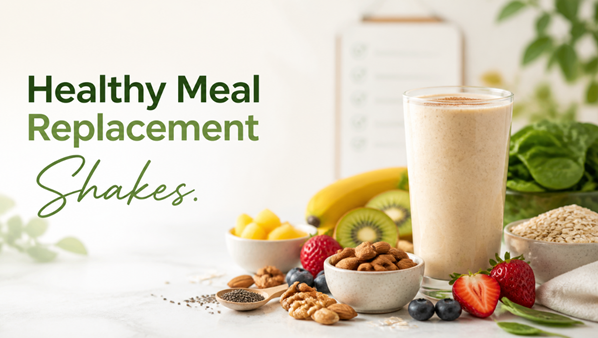
Meal replacement shakes are one of the ways that we can consider for helping meet our nutritional needs when we have little time to eat a regular meal. The problem is that selecting a healthy drink is not just based on information such as high protein content or reduced sugar content. As the meal replacement shakes market grows, consumers are presented with a wider selection of drinks with various levels of protein, fibre, sugar, fats, vitamins, and minerals.
Nutrition Labeling Information
The most accurate way of finding information about meal replacement shakes is from the nutritional information table provided. It would be advisable to avoid misleading information provided in the packaging of the product. These are some of the factors which have to be taken into consideration:
- Serving Size and Calories: The serving size and the number of servings should be calculated for the product. We might find a bottle that seems like it provides us with one whole meal, but actually has more than one serving. Calories should next be compared relative to your general dietary requirements. Requirements for shakes meant to replace meals are entirely different from requirements for snack shakes.
- Consider Protein Content: In this case, proteins play an important role as they are useful in making one feel full and retaining muscle mass. An ideal amount for consideration in this case would be about 20-30 grams per serving.
- Fiber Content: It is another consideration, as many conventional protein shakes do not usually contain much fiber content. A product worth considering should provide a number of grams of fiber per serving, especially if the shake is supposed to substitute for a meal. It is reported that a total of 5 grams of fiber is enough for a serving.
- Carbohydrates and Fats: It is essential to realize that carbohydrates and fats cannot be eliminated from the shakes since they provide energy to the body. Additionally, fats are the source of healthy fats, and their amount has to be analysed with regard to protein and fiber.
- Analyse Vitamins and Minerals: Think of the presence of a number of micronutrients such as vitamin D, calcium, iron, potassium, and magnesium. Even if the food item contains many of these vitamins and minerals due to fortification, it doesn’t mean that the consumption of these micronutrients in large quantities is good for health.
- % Daily Value (%DV): You should be aware of the % Daily Value (%DV). It is found from various research that in order to categorise the percentage of any nutrient as low, it must be below 5% DV, while it should be equal to or more than 20% DV in order to categorise it as high. Usually, it is recommended that we should consume vitamin- and mineral-rich foods.
Ingredient Analysis
The next best way of determining whether the meal replacement shake has good nutritional balance or not would be through its ingredients. The ingredients are listed in the order of descending weights. Therefore, the first ingredients on the list comprise a larger portion of the product.
First of all, one needs to get information about the sources of proteins, carbohydrates, and fats in the shake. In case there are many sugars or sweeteners listed as ingredients, it is necessary to check the nutrition facts for the quantity of these ingredients in the shake. The presence of many ingredients does not mean that the composition of the shake is bad, since these ingredients may have other functions besides being nutrients.
| Nutritional Components | Ingredients |
| Protein | Milk Protein, Whey Protein, Casein, Soy Protein, Pea Protein |
| Fiber | Oats, Legumes, Chia Seeds, Flaxseeds, Psyllium, Inulin |
| Carbohydrates | Oats, Whole Grains, Quinoa, Brown Rice, Bananas, Dates, Fruits |
| Fats | Almond Butter, Peanut Butter, Chia Seeds, Flaxseeds, Avocado Oil, Canola Oil, Olive Oil |
| Vitamins | Vitamin D, Vitamin A, Vitamin C, Vitamin E, Vitamin B12, Folate |
| Minerals | Calcium, Iron, Potassium, Magnesium, Zinc, Selenium |
| Sweeteners | Sugar, Fructose, Stevia, Sucralose, Monk Fruit |
| Flavors | Natural Flavors, Vanilla, Cocoa, Fruit Flavors |
| Preservatives | Tocopherols, Citric Acid, Potassium Sorbate |
| Thickeners & Stabilizers | Xanthan Gum, Guar Gum, Gum Arabic, Carrageenan |
| Emulsifiers | Sunflower Lecithin, Soy Lecithin, Mono- And Diglycerides |
| Allergens | Milk, Soy, Peanuts, Tree Nuts, Wheat, Eggs |
Added Sugars and Other Things to Watch Out For
Despite the fact that the shake might have an ample amount of protein, fibers, vitamins, and minerals, there are still other ingredients present in the shake that could lower the nutritional benefits of the food. As per FDA, foods that have high contents of dietary fiber, certain micronutrients, and low amounts of saturated fat, sodium, and sugar should be consumed.
- Distinguish Between Total Sugars and Added Sugars
The total amount of sugars consists of natural and added sugars. The latter is specified on the Nutrition Facts label, which helps to understand the content of added sugars in a product. This would be beneficial when shakes contain fruits, milk, and other items which contain natural sugars.
- Look for High Amounts of Sodium and Saturated Fat
The most important thing about a shake is that it should not have high levels of sodium and saturated fats. The levels should be compared in milligrams and not % DV. According to the FDA, 20% DV or more is considered high for one nutrient.
- Be Aware of Highly Processed Formulas
A long list of ingredients does not imply that the product is not good, but it may be a red flag for those formulas which use highly processed carbohydrates, added sugar, high sodium content, unhealthy fat, and many other ingredients as a result of processing.
- Don’t Rely on Front-of-Pack Claims
“High Protein,” “Low Fat,” “Natural,” or “No Added Sugar”, all such words do not necessarily mean that the product is nutritionally good. Check the nutritional label of the product to verify all these claims. A product can meet one desirable characteristic while still being relatively high in another nutrient.
Choose the Shake Based on the Individual’s Diet
Although a balanced diet is required for a healthy body, it is also essential that it suits the individual’s dietary needs. Different shakes will suit different people depending on whether the person is lactose intolerant, a vegetarian, allergic to certain foods, or requires the addition of certain nutrients to the body. Rather than choosing products simply because they are labelled as “healthy,” it is important to look at whether the products suit the dietary pattern of an individual.
Dairy-Based vs. Plant-Based Formulations
Protein sources such as whey, casein or milk can be mixed with the dairy shakes, whereas the protein sources such as soy, peas, rice, etc. can be mixed with the plant shakes. But it should also be remembered that the nutritional benefits of the proteins and micronutrients should be considered when selecting any particular protein.
Specifications for Vegans and Vegetarians
It must be ensured that the whole formula does not have any animal products in it, including milk, whey, casein, etc., for vegans. The vegetarians can be somewhat flexible regarding their specifications.
Look for Food Allergies in the Shakes
The people having food allergies need to take care of the ingredients along with the allergen declaration. Similarly, the nine major food allergens are milk, eggs, fish, crustacean shellfish, tree nuts, peanuts, wheat, soybeans, and sesame.
Ensure the Purpose of the Shake Is Accomplished by the Shake.
Purpose for which the product will be used could be an indicator of suitability of the product. For instance, one shake may suit one purpose while failing to provide energy and nutrition when put to a different use.
Consider the Diet Needs of the Individual
It is necessary to find a meal replacement that is suitable for certain requirements. In cases where the patient has any complicated disease, it would be better to use professional recommendations than relying only on the packaging of the product.
The Choice of a More Effective Meal Replacement.
It is not just about choosing a good meal replacement shake based on how attractive its packaging is and personal opinions on its nutrient value. It is extremely crucial that the selected meal replacement shake provides an adequate quantity of protein, fibre, carbohydrates, fats, vitamins, and minerals, along with a low level of sugar content, saturated fats, and sodium. This makes it much easier to select the right product if some time is spent reading through its nutrition label. As per Pristine Market Insights, with the development of the meal replacement shake market, consumers now have more options of formulations to analyse.
Author bio
Sandhya Jadhav is a research analyst specializing in food, beverages, nutrition, and consumer health trends. She studies evolving product formulations, dietary preferences, and market developments to help readers make informed, health focused choices.