Finishing a workout should leave you feeling accomplished, but sometimes the first thing you notice afterward is an aching knee. Maybe it hurts while climbing the stairs, feels stiff when you stand after sitting, or becomes uncomfortable when you bend it.
Knee pain after exercise is relatively common because the knee absorbs and supports considerable load during movement. Running, jumping, squatting, lunging, cycling and strength training can all place stress on the muscles, tendons and other structures around the joint.
A little post-workout muscle soreness can be normal. Persistent, sharp or worsening knee pain, however, deserves attention. Understanding what may be causing the discomfort can help you decide whether you simply need some recovery time or should have the knee assessed by a healthcare professional.
Why Do My Knees Hurt After Exercise?
There isn’t one single reason. Knee pain after a workout may result from doing too much too quickly, using poor exercise technique, repetitive movements or an injury.
Where you feel the pain, when it begins and whether there is swelling or instability can also provide useful clues about what is happening.
Here are some of the more common possibilities.
1. Overuse
Suddenly increasing your running distance, workout frequency, resistance or number of repetitions can expose the knee to more stress than it is accustomed to.
Repeated running and jumping are particularly demanding. Overuse can irritate tissues around the knee and contribute to pain after activity.
This is one reason gradual progression matters. Your cardiovascular fitness may improve quickly, but your muscles and connective tissues still need adequate time to adapt to increased training loads.
2. Patellofemoral Pain
Pain around or behind the kneecap is commonly associated with patellofemoral pain. You may notice it during activities that repeatedly bend the knee, such as squats, running or climbing stairs.
Several factors can contribute, including training load and the way the knee moves during activity.
If discomfort around the kneecap repeatedly returns whenever you exercise, simply pushing through it may make matters worse.
3. Tendon Irritation
Tendons connect muscles to bones and can become irritated by repetitive loading.
For example, pain between the kneecap and shin following repeated running or jumping may be associated with tendonitis.
Sports and workouts involving frequent jumping, sprinting or rapid changes in direction can place particularly high demands on the tendons around the knee.
4. Sprains and Strains
Sometimes knee pain begins after an awkward landing, sudden turn, overstretching movement or particularly intense workout.
These movements may strain muscles or affect ligaments around the knee. Pain, tenderness, swelling or bruising can accompany a sprain or strain, depending on its severity.
If you remember a specific movement that triggered the pain, take the symptoms seriously rather than treating them as routine post-workout soreness.
5. Exercise Technique
Your technique affects how force travels through your legs.
During squats and lunges, for example, poor movement control can place unnecessary stress on the knees. Similar problems can occur when running with unsuitable footwear, lifting more weight than you can control or repeatedly exercising with incorrect form.
If knee discomfort consistently appears during one particular exercise, consider reducing the load and having your technique checked by a qualified trainer or physiotherapist.
Is It Normal Soreness or Knee Pain?
Muscle soreness after a challenging or unfamiliar workout is common. Delayed-onset muscle soreness usually feels like a dull ache or tenderness in the muscles and generally improves as the body recovers.
Joint pain can feel different.
Pay closer attention if the pain is sharp, concentrated inside or around the knee, gets worse when you move, causes noticeable swelling, makes the knee feel unstable or affects normal activities such as walking and climbing stairs.
Pain is information from your body. You don’t need to stop exercising permanently because your knee hurts, but repeatedly training through significant pain isn’t a sensible way to make progress.
What to Do for Knee Pain After Exercise
Give Your Knee Time to Recover
If the pain started after exercise, reduce or temporarily stop activities that aggravate it. This doesn’t necessarily mean complete inactivity. Depending on the cause and severity, you may be able to choose a lower-impact activity that doesn’t trigger symptoms.
The important thing is not to repeatedly reproduce the pain while the area is recovering.
Use Cold Therapy When Appropriate
For a newly painful or swollen knee, applying a wrapped cold pack can help manage discomfort and swelling.
The NHS advises applying an ice pack wrapped in a towel for up to 20 minutes at a time. Ice should not be placed directly against the skin.
Consider Topical Pain Relief
For mild post-workout knee soreness or stiffness, some people prefer topical products that can be applied directly to the affected area.
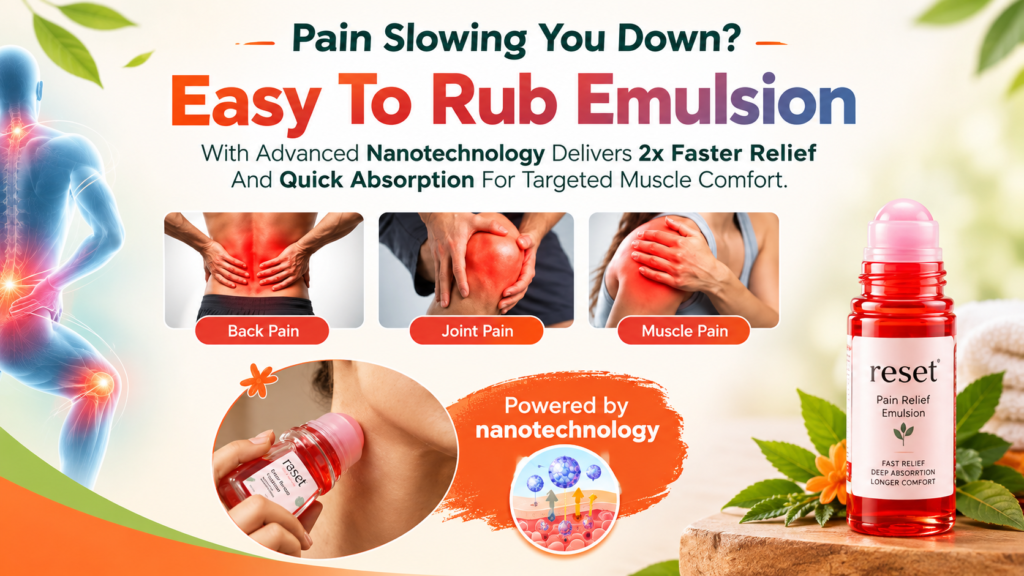
One option is a pain relief roll on such as RESET Pain Relief Roll-On Emulsion. The product is designed for targeted application and is positioned for muscle pain, joint stiffness, knee soreness, sprains and everyday body aches. Its roll-on format can also be convenient when you want to apply a product without getting it all over your hands.
Another topical option is a pain killing gel, which can be gently applied around the affected area according to its directions for use.
Topical products can help with symptom management, but they shouldn’t be used to mask significant pain so that you can continue an activity that is aggravating an injury.
Return to Exercise Gradually
Once discomfort has settled, don’t immediately return to your previous training intensity.
Start with a lighter session and gradually increase duration, resistance or distance. If the pain returns as soon as the workload increases, that is a good reason to reduce the load again and investigate the underlying cause.
How to Reduce the Risk of Knee Pain
Prevention often comes down to better training habits rather than avoiding exercise.
Warm up before demanding exercise and allow time to cool down afterward. Increase workout intensity gradually instead of making sudden jumps in distance or resistance. Strengthening the muscles supporting the knee can also improve joint support, while adequate recovery between demanding sessions gives the body time to adapt.
Footwear matters too, particularly for running and other repetitive activities. Replace shoes when they become excessively worn and choose footwear appropriate for your activity.
Most importantly, pay attention to recurring symptoms. If the same exercise causes knee pain every week, repeatedly ignoring it is unlikely to solve the problem.
When Should You See a Doctor?
Mild knee discomfort may settle with reduced activity and appropriate self-care. However, some symptoms need professional assessment.
Seek medical attention if your knee is extremely painful, badly swollen or visibly misshapen, or if you cannot move it or put weight on it.
You should also speak with a healthcare professional if knee pain persists, keeps returning, interferes with daily activities or follows a significant injury.
A doctor or physiotherapist can determine whether the problem is related to training load, movement mechanics, a tendon or ligament injury, or another underlying condition.
The Bottom Line
Knee pain after exercise doesn’t automatically mean something serious is wrong, but it shouldn’t simply be dismissed either.
Overuse, sudden increases in training, tendon irritation, strains and exercise technique are among the possible reasons your knees may hurt after a workout. Giving the knee adequate recovery time, managing mild symptoms appropriately and gradually returning to activity can often help.
Think of pain as feedback rather than an obstacle to push through. Adjust your training when necessary, work on strength and technique, and seek professional advice when pain is severe, persistent or keeps coming back.
The goal isn’t just to get through your next workout. It’s to keep your knees comfortable and capable enough to support many more workouts to come.